
Grain Milling
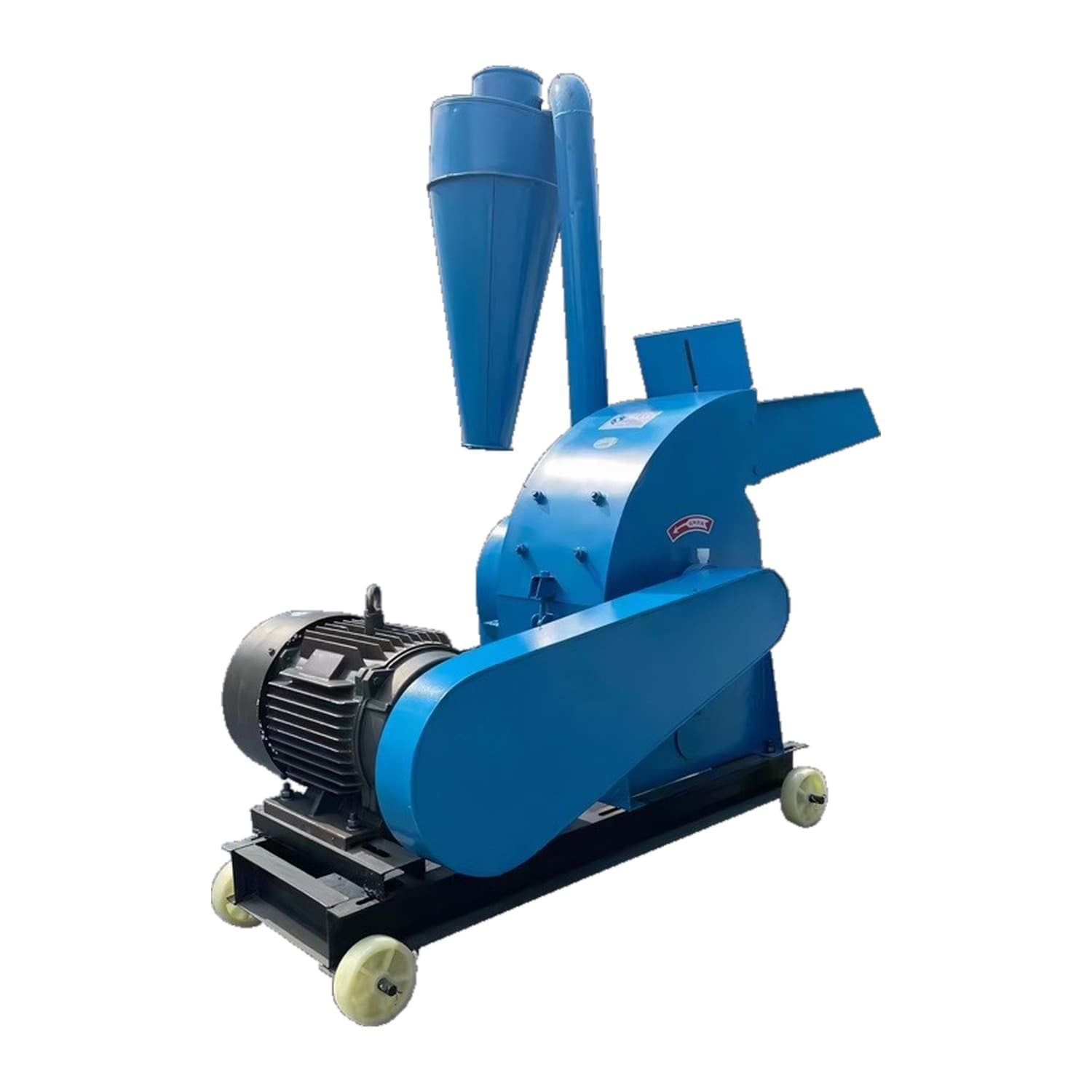
Hammer Mill
A hammer mill uses fast-spinning swinging hammers to break grain, stalks and dry materials against a screen.
PowerTypically 5.5–22 kWTypical capacityApprox. 300–1,500 kg/h
Grind and pellet your own feed for your birds or to sell.
Feed is one of the biggest costs of keeping birds. Making your own gives you more control over ingredients and supply, and you may be able to sell feed to other farmers nearby.
A hammer mill grinds maize, soybean and other ingredients, and is the standard first machine for feed. A flat-die pelletizer then presses mixed meal into firm pellets, which also suit fish, pigs and rabbits. If you keep cattle, sheep or goats as well, a chaff cutter chops forage and crushes grain. Ask an animal nutrition adviser or extension officer about the right recipe for your birds, because it changes as they grow.
Keep ingredients dry and off the floor, and leave room to mix, cool and bag. A hammer mill makes noise and dust, so choose a well-ventilated spot away from your birds. Check the die size on a pelletizer, because it sets the pellet size.
A hammer mill uses fast-spinning swinging hammers to break grain, stalks and dry materials against a screen.
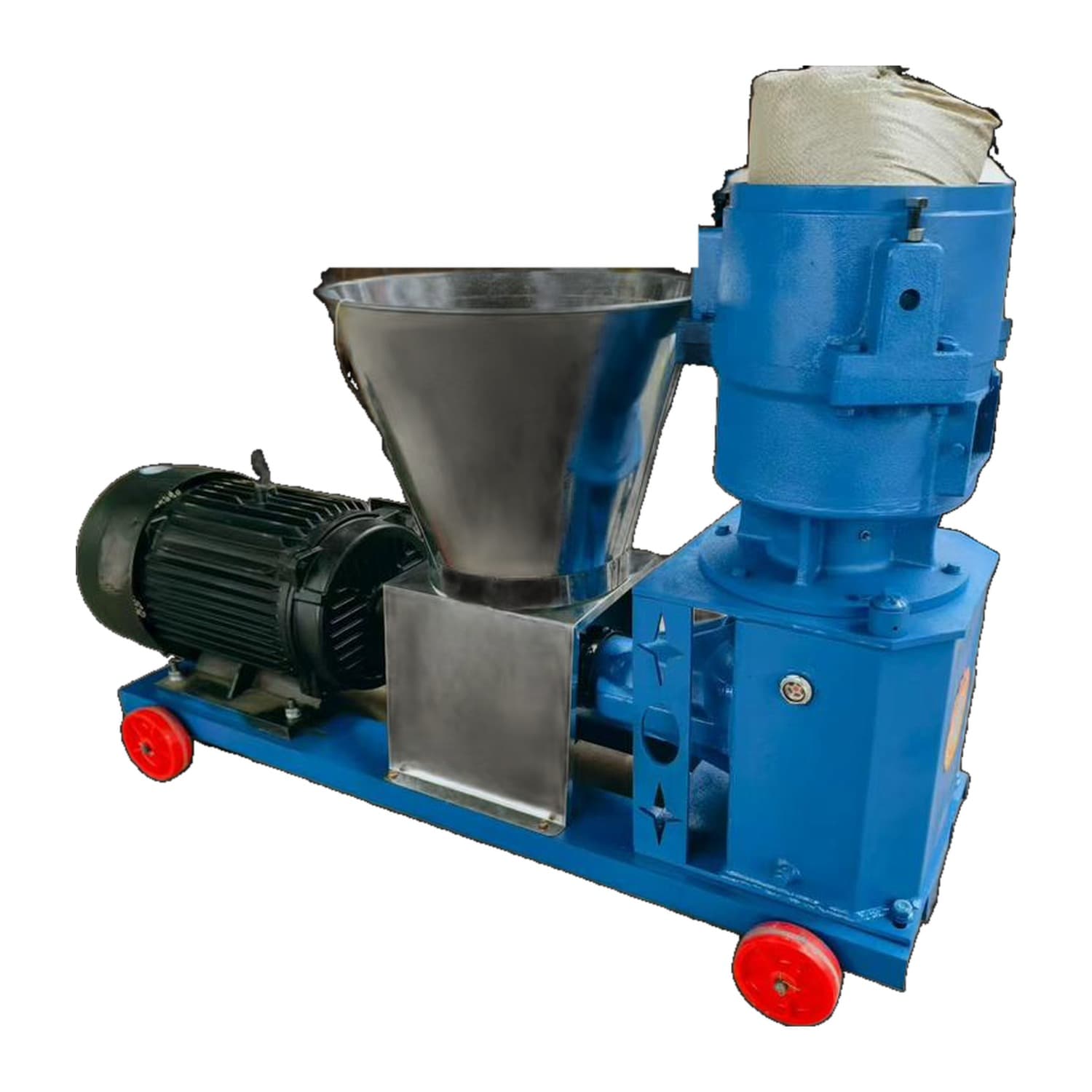
A flat-die pellet mill that compresses mixed feed meal into firm pellets for poultry, fish, pigs and rabbits.
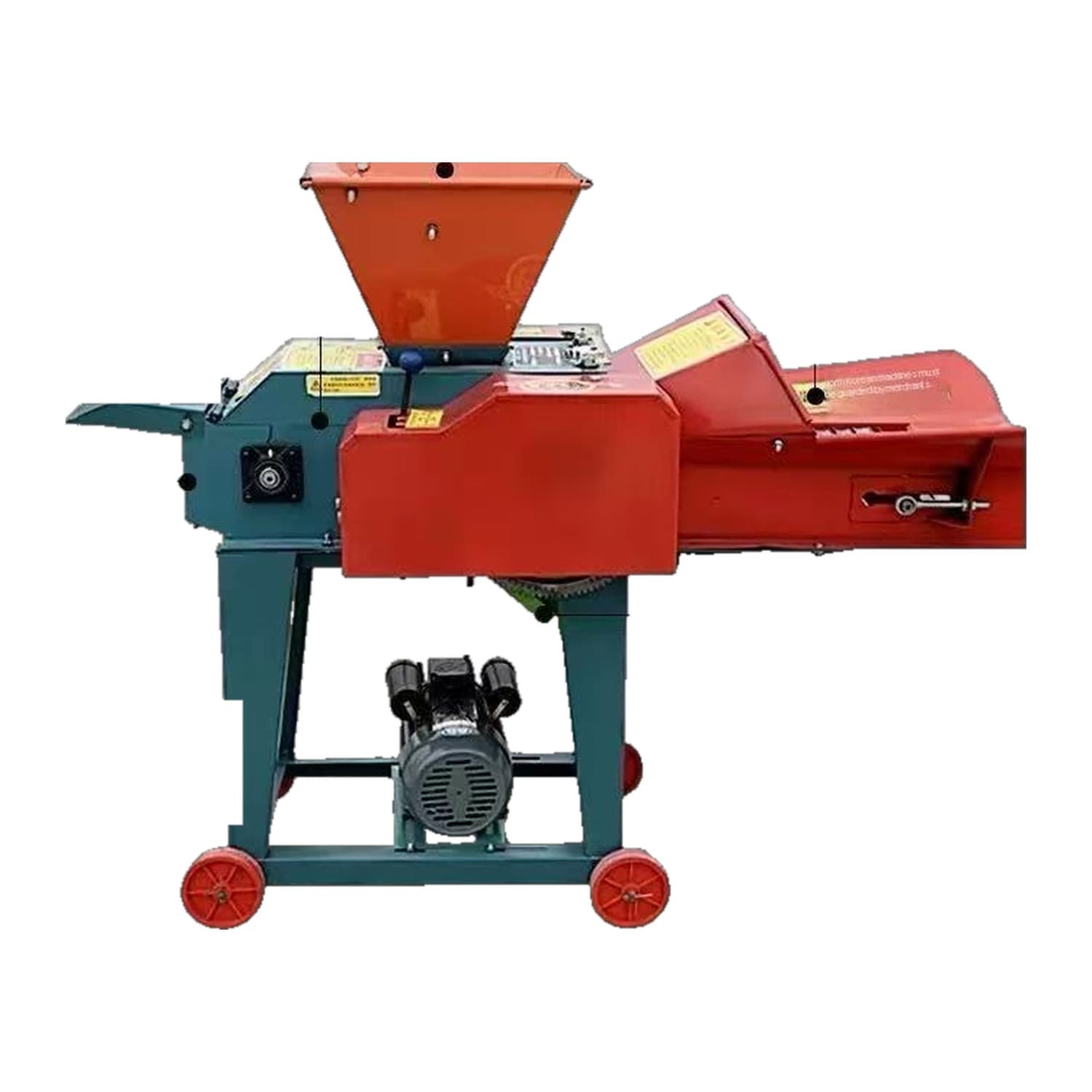
A combined chaff cutter and grain crusher for livestock farmers.
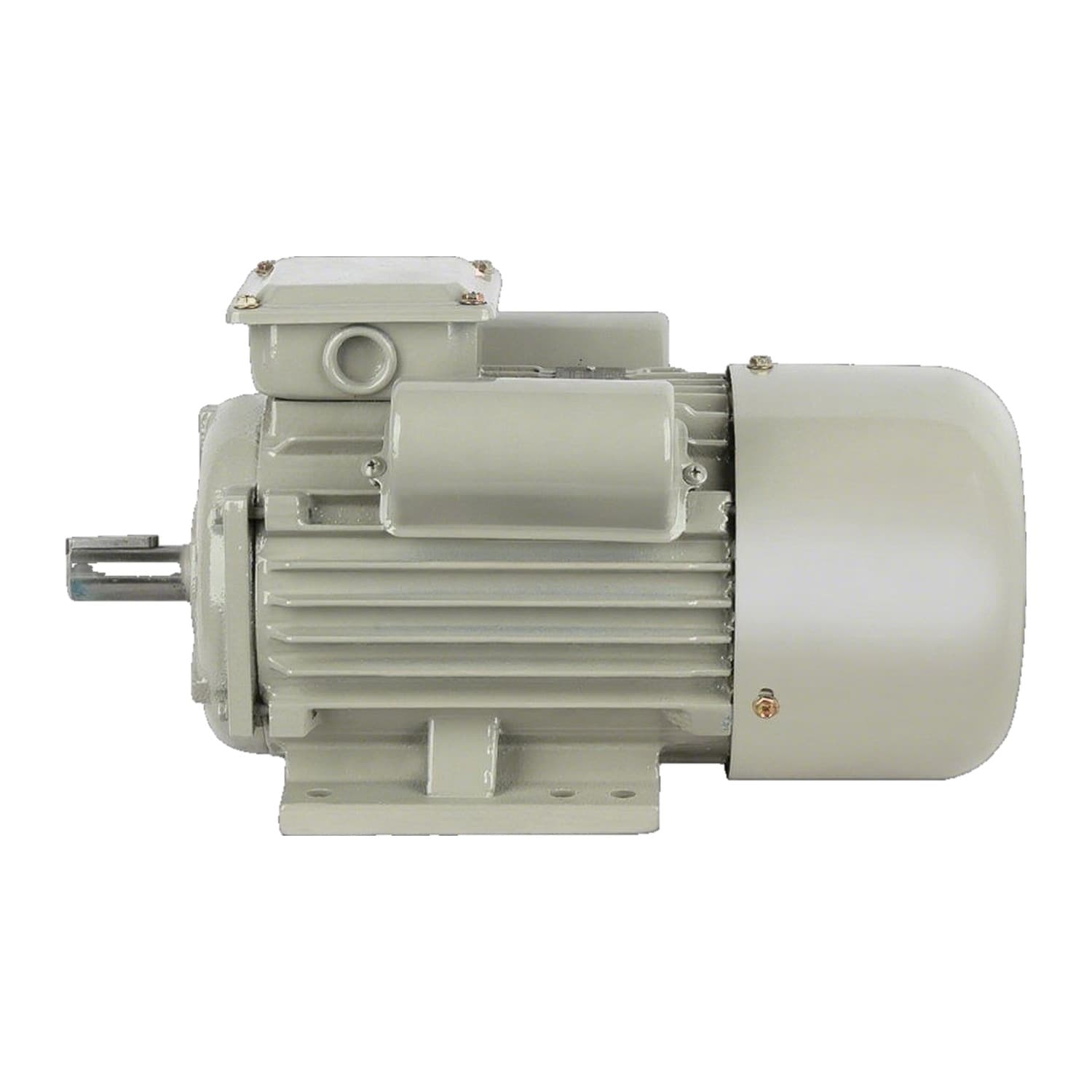
Single- and three-phase induction motors used to drive mills, hullers, pumps and feed machines where mains power is available.